These days it is not an issue, but in the third and fourth centuries BC there was no way to import fish inland while maintaining a low temperature. Back then, the fish would be pickled with salt and rice and allowed to ferment in this state. In order to make conservation viable, a new technology was devised. It was called 'narezushi', which is said to be the precursor of modern-day sushi.
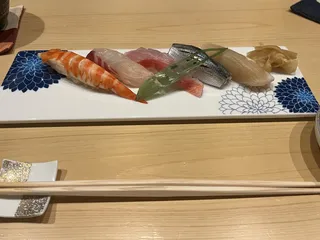
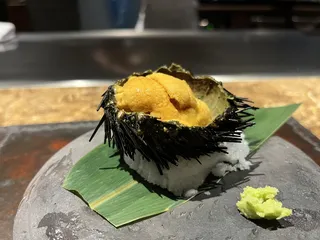
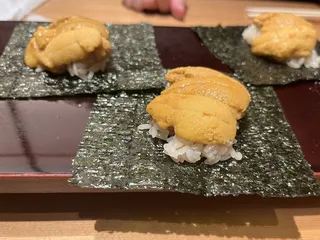
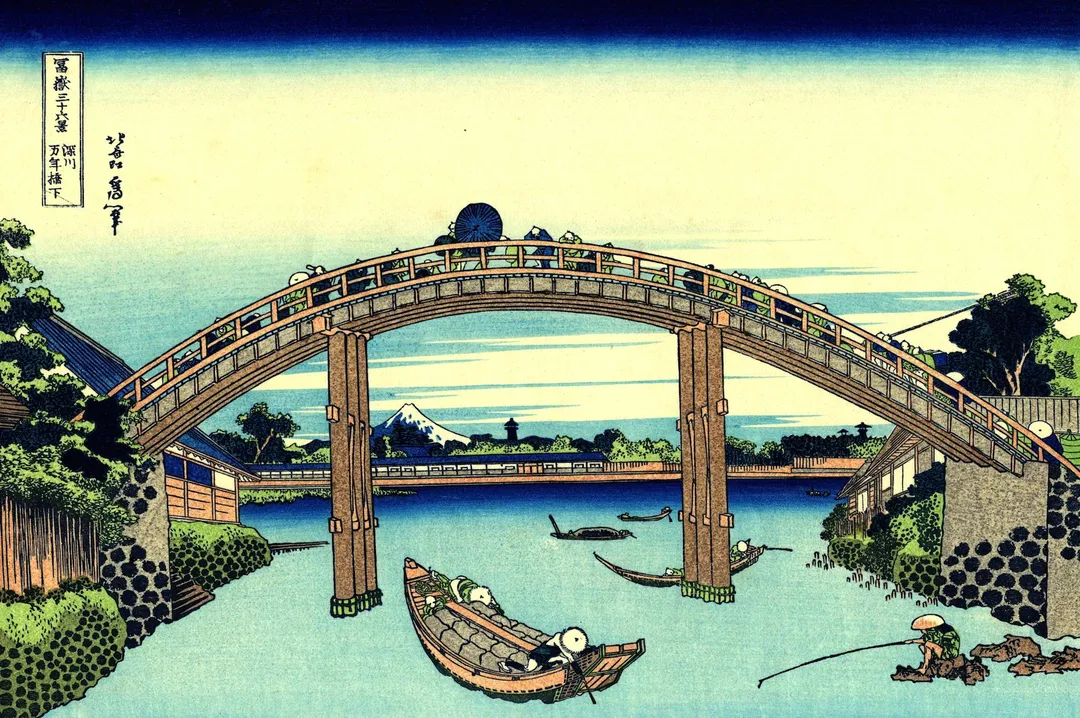
Whilst narezushi underwent numerous modifications, the nigirizushi so common today was born in the early 19th century, during the Edo period. At first, nigirizushi was made at stands and such. It was apparently a beloved snack of the common folk of Edo.
Later, around 1900, as refrigeration developed, raw nigirizushi that was not pickled in vinegar or soy sauce became popular. It was then that it evolved into the kind of sushi eaten today.
Moreover, there is a theory about the spread of Tokyo-style nigirizushi throughout Japan. According to it, many Tokyo-style sushi makers spread to all corners of the land in the wake of the Great Kantō Earthquake of 1923.