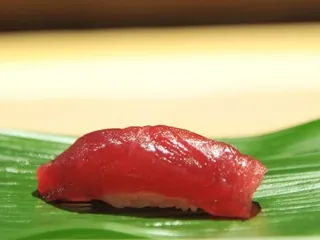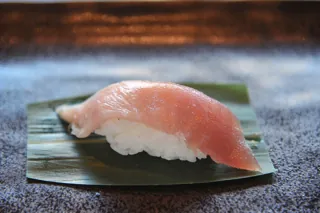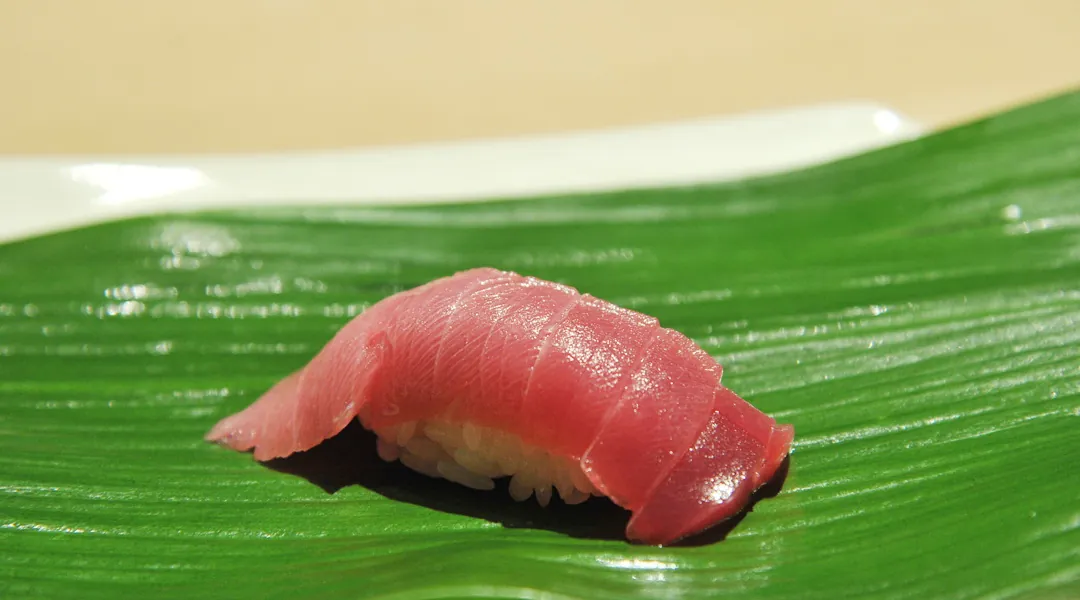
Maguro Chu-toro/ O-toro 大トロ / 中トロ
What fish is Maguro Chu-toro/ O-toro?
In Japan, otoro is often treated as one of the grand stars of the sushi counter.
Otoro / Chutoro
The crown jewel of sushi
In Japan, otoro is often treated as one of the grand stars of the sushi counter. It contains far more fat than akami, and the moment it meets your tongue, its silky texture seems to melt away. And since only a limited amount can be taken from each tuna, it is also very pricey — so the money in your wallet may melt away just as quickly.
Depending on fat content and the part of the fish, fatty tuna is divided into chutoro and otoro. In general, otoro is most closely associated with bluefin tuna and southern bluefin tuna. That said, the boundary between chutoro and otoro can depend on the sushi chef. A surprisingly human line for such a luxurious cut.
Akami is known for being lean, but toro has plenty to say nutritionally too. Its fat contains abundant EPA (eicosapentaenoic acid), which is said to help lower cholesterol in the blood.
Because it is so fatty, toro did not keep well in the old days, and its rich flavour was not always prized; it was even famously discarded. It seems to have become widely loved from the Meiji era onward.
By the way, we Japanese tend to think of akami and chutoro/otoro as quite different things. At the same time, when a sushi restaurant serves you a piece — especially at an omakase counter — it sometimes just says “tuna” to overseas visitors, with no further explanation. That isn’t wrong as such, but since you’re here, try to taste each piece while telling whether it is akami or toro. It makes sushi all the more fun.
Origin: Aomori is famous for bluefin tuna; southern bluefin tuna comes from open-ocean areas such as the Indian Ocean. Season: All year round, as much tuna is distributed frozen.