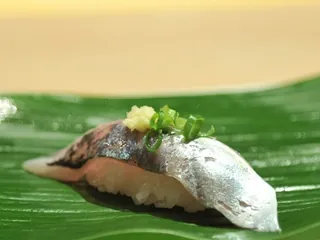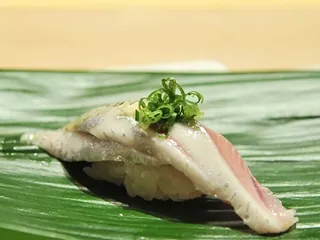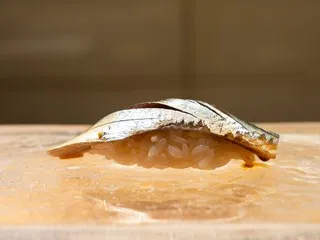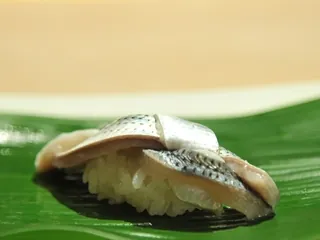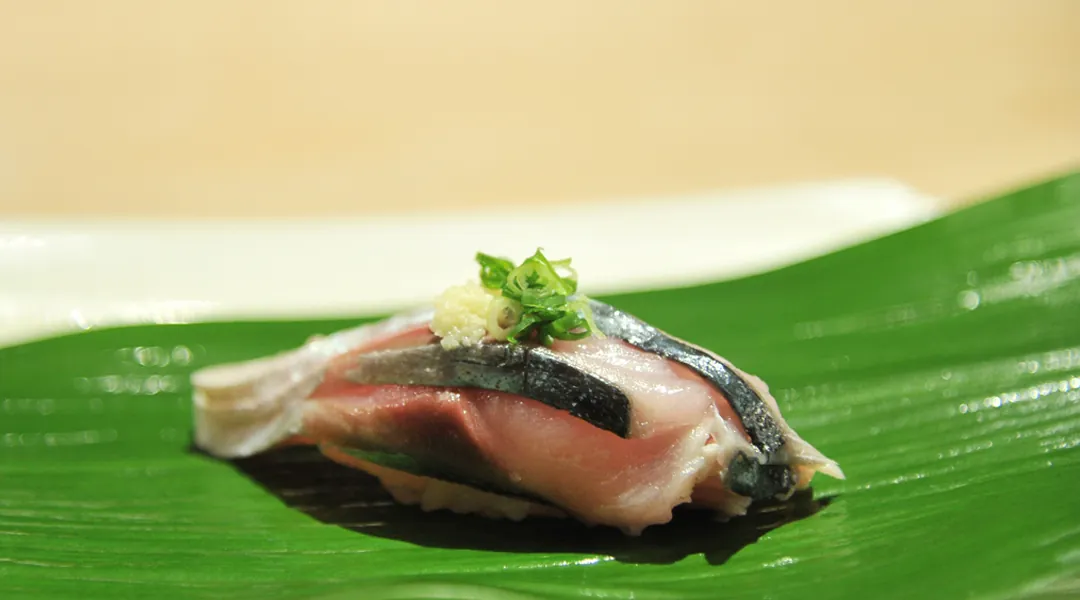
Saba 鯖
What fish is Saba?
Mackerel spoils extremely easily, so in the old days raw mackerel was mostly limited to coastal production areas.
Mackerel
Etymology of lying about numbers
Mackerel spoils extremely easily, so in the old days raw mackerel was mostly limited to coastal production areas. It is said that the phrase “saba wo yomu” — fudging the numbers — may have come from people hurriedly counting the catch after landing it and glossing over the actual count.
Because mackerel was so perishable, it was often salted before being carried inland. The fish-transport route toward Kyoto came to be called the “Saba Road” because so much mackerel travelled along it (today's Wakasa Road). The “mackerel sushi” eaten at the time was not Edomae sushi, but more like pressed sushi made with mackerel cured in vinegar or salt. Osaka is also famous for battera, which uses kombu as well.
In recent years, much of the mackerel served at major conveyor-belt sushi chains has been “shime-saba,” mackerel cured with vinegar. Vinegar-curing not only helps preserve it, but also softens the distinctive aroma of blue-backed fish and brings out the sweetness and umami of its fatty flesh.
Origin: Nagasaki, Shizuoka, Ibaraki, Mie, Oita, Miyagi and others Season: Winter. Shime-saba is vinegar-cured, so it can be enjoyed all year round